Septic Emergency Service in Nampa, ID
Septic emergency service in Nampa and the Treasure Valley for backups, overflows, and sewage in the yard. What to do while you wait.
When it is an emergency
Some septic problems can wait for a scheduled visit, and some cannot. Sewage backing up into a tub, toilet, or floor drain; wastewater surfacing in the yard; a tank alarm sounding; or drains throughout the house refusing to clear at the same time are all situations that need a fast response. Left alone they get worse quickly — sewage backing into a home is a health hazard, and effluent surfacing over the drain field can damage the field further with every hour.
The most common cause is a tank that has overfilled and pushed solids into the outlet or the drain field, but a collapsed baffle, a clogged line, or a saturated field can produce the same symptoms. Getting the tank pumped and the cause identified fast is the priority. Once the emergency is stabilized, a septic system inspection shows whether it was a one-time overload or a deeper problem.
What to do — and what we do
A few steps at home reduce the damage before the truck arrives.
-
Stop adding water
Stop using every drain, toilet, and appliance in the house. Every gallon you add makes a backup worse and pushes more effluent into a field that is already struggling.
-
Keep people and pets clear
Treat surfacing sewage and indoor backups as a health hazard. Keep everyone away from the affected area until it is cleaned and disinfected.
-
We locate and pump the tank
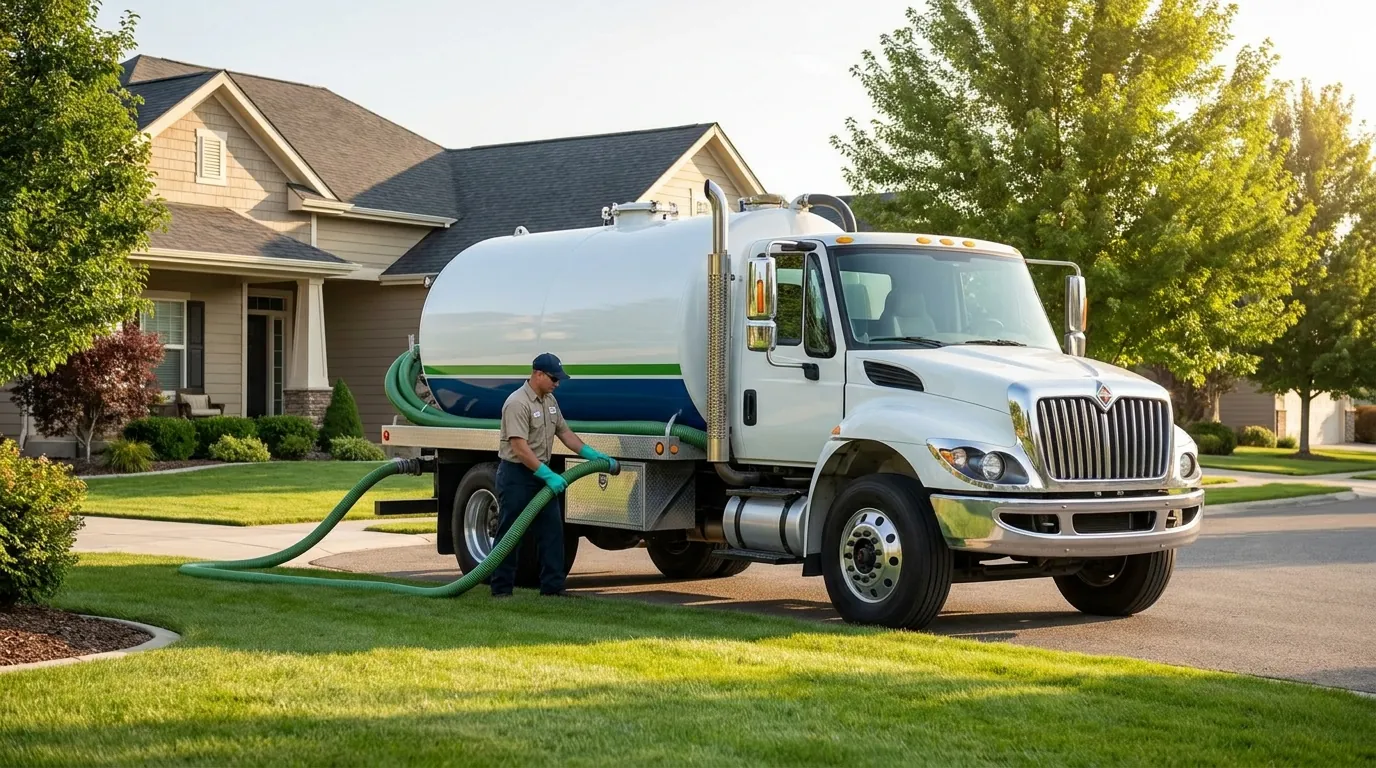
We get to the tank, pump it down, and relieve the pressure driving the backup. In most cases this stops the immediate problem quickly.
-
We find the cause
With the tank down we check baffles, the outlet, and whether the drain field is backing up, so we can tell you whether it was a simple overload or something that needs repair.
Nampa weather and seasonal risk
Emergencies cluster with the seasons around Nampa. Cold snaps can freeze shallow lines and slow the biological activity in the tank, and heavy holiday water use on top of that overwhelms systems that were already near their limit. In spring, a rising water table near the river bottoms in Star, Eagle, and Caldwell saturates the soil around drain fields and leaves effluent nowhere to go, so fields that coped all summer can back up.
The best emergency plan is prevention: staying current on septic tank pumping removes the overload risk that causes most backups, and catching a struggling field early with drain field service keeps a bad spring from becoming a crisis. When something does go wrong, we respond across Nampa, Caldwell, Meridian, Star, Kuna, Eagle, and Boise City.
Frequently asked questions
What counts as a septic emergency?
Sewage backing up into the house, wastewater surfacing in the yard, a sounding tank alarm, or all your drains failing at once. These are health and property hazards that get worse the longer they wait, so they should not be left for a routine appointment.
What should I do while I wait for help?
Stop using all water in the house immediately, since every gallon makes the backup worse. Keep people and pets away from any surfacing sewage or indoor backup and treat it as a health hazard until it is cleaned and disinfected.
Will pumping the tank fix the emergency?
Pumping usually relieves the immediate backup because most emergencies come from an overfull tank. Whether it stays fixed depends on the cause — a collapsed baffle, a clogged line, or a saturated drain field needs more than a pump-out, which is why we check the cause once the tank is down.
Why do backups happen more in winter and spring?
Winter cold slows the tank and can freeze shallow lines, and heavy holiday water use adds load. In spring, a high water table near Nampa's river bottoms saturates the soil around the drain field, leaving effluent nowhere to go and causing fields to back up.
Talk to someone about your job
Call to describe the problem and get a quote for work in Nampa, ID.